

Proactive Product Growth: Integrating User Feedback Into Every Stage of SaaS Development
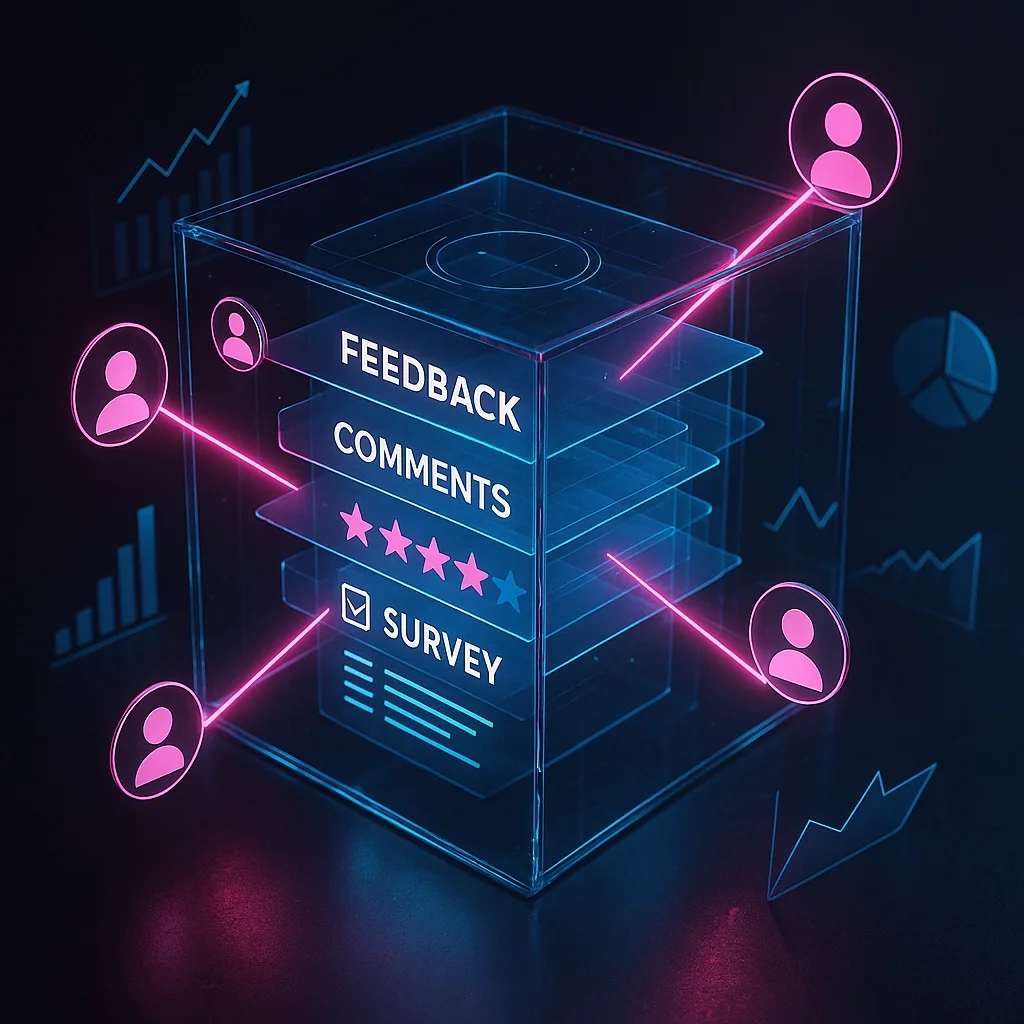
Most SaaS companies treat user feedback like a post-launch afterthought: something to collect after problems arise or features flop. But the companies that truly scale? They've flipped the script entirely. They're building feedback loops into every stage of development, from initial concept sketches to post-deployment iterations.
The difference between reactive and proactive product growth isn't just timing: it's philosophy. Reactive teams fix what breaks. Proactive teams prevent breakage by understanding their users so deeply that they anticipate needs before users even articulate them.
Why Traditional Development Falls Short
The old waterfall approach to SaaS development goes something like this: ideate, build, launch, then scramble to fix what users hate. It's expensive, time-consuming, and frankly, a bit arrogant. You're essentially betting your entire development cycle on assumptions about what users want.
Here's the reality check: 70% of SaaS features go unused. Not underused: completely ignored. That's not a user problem; that's a listening problem.
When you wait until after launch to gather meaningful feedback, you're playing defense instead of offense. You're patching holes instead of building bridges. And in a competitive SaaS landscape, that reactive approach kills momentum faster than almost anything else.
The Feedback Integration Framework
Successful SaaS companies don't just collect feedback: they architect it into their development DNA. This means creating systematic touchpoints where user insights directly influence decision-making at every stage.
Pre-Development: Validating Before Building
Before writing a single line of code, smart teams are already talking to users. This isn't about asking "what features do you want?": users are notoriously bad at articulating future needs. Instead, focus on understanding current pain points, workflow friction, and unmet needs.
Use problem interviews, observational research, and workflow analysis to understand the "why" behind user behaviors. Tools like user journey mapping help visualize where current solutions fail and where opportunities exist.
The goal isn't to build what users ask for: it's to build what solves the problems they're experiencing, even if they can't articulate the solution yet.
Development Stage: Continuous Validation
During active development, feedback becomes your North Star for prioritization. Set up regular feedback cycles: weekly or bi-weekly user research sessions, prototype testing, and concept validation.
This is where many teams go wrong. They collect feedback but don't integrate it systematically. Create feedback integration protocols: how insights get documented, evaluated, and fed back into development priorities.
Consider implementing feature flagging systems that allow you to test new functionality with select user groups before full rollouts. This approach reduces risk while providing rich feedback data from real usage patterns.
Launch Phase: Guided Discovery
Launch isn't an endpoint: it's when real learning begins. Smart SaaS companies treat launch as the start of intensive user research, not the end of development.
Implement progressive disclosure in your user experience. Don't overwhelm new users with every feature at once. Instead, guide them through core functionality while gathering behavioral data and direct feedback about their experience.
Use in-app feedback tools, user session recordings, and structured onboarding surveys to understand how real users interact with your solution. This data becomes invaluable for immediate improvements and future development priorities.
Building Feedback Systems That Actually Work
The best feedback systems are invisible to users but comprehensive for teams. Users shouldn't feel like they're participating in research: they should feel like they're being heard.
Multi-Channel Feedback Collection
Don't rely on a single feedback channel. Different users communicate differently, and different types of feedback require different collection methods.
Passive feedback collection includes usage analytics, click patterns, feature adoption rates, and drop-off points. This behavioral data often reveals more than direct feedback about what's actually happening in your product.
Active feedback collection includes surveys, interviews, support ticket analysis, and community forum discussions. This qualitative data explains the "why" behind behavioral patterns.
The magic happens when you combine both types of data to create a complete picture of user experience.
Closing the Feedback Loop
Collecting feedback is only half the equation. Users need to see that their input creates change, or they'll stop providing it. Create visible feedback loops where users understand how their insights influence product development.
This doesn't mean implementing every suggestion, but it does mean communicating how feedback is evaluated and integrated into decision-making processes. Regular product updates, feature release communications, and roadmap transparency all contribute to sustained user engagement in feedback processes.
Organizational Changes for Feedback Integration
Making feedback integration work requires more than good intentions: it requires structural changes in how teams operate.
Cross-Functional Collaboration
Break down silos between product, engineering, design, and customer success teams. Feedback insights should flow freely between all groups, not get trapped in departmental boundaries.
Establish regular cross-functional feedback review sessions where insights are shared, discussed, and translated into actionable development priorities. Customer-facing teams (sales, support, success) often have the richest insights about user pain points and feature requests.
Continuous Research Culture
Embed user research into your regular development rhythm, not as special projects but as standard practice. This means budgeting for ongoing research activities, training team members in basic research methods, and creating time in development cycles for feedback integration.
Consider implementing research repositories where insights are documented, tagged, and searchable across projects and time periods. This prevents valuable insights from getting lost in the shuffle of rapid development cycles.
Measuring Feedback Integration Success
You can't improve what you don't measure. Establish metrics that track both the quantity and quality of feedback integration throughout your development process.
Track feedback velocity: how quickly insights move from collection to implementation. Monitor feature adoption rates for feedback-driven developments versus assumption-based features. Measure user satisfaction scores for different feature categories to understand which development approaches create the most value.
Don't forget qualitative measures: user retention, support ticket volume, and community engagement all reflect how well you're listening to and responding to user needs.
Common Implementation Pitfalls
Most teams fail at feedback integration not because they lack good intentions, but because they underestimate the organizational discipline required.
Avoid feedback overload by establishing clear prioritization criteria for different types of insights. Not all feedback is created equal: some represents widespread user needs, while other feedback reflects edge cases or individual preferences.
Don't mistake loudest for most important. The users who provide the most feedback aren't necessarily representative of your entire user base. Balance vocal feedback with behavioral data and structured research with broader user groups.
Resist the temptation to implement feedback immediately without validation. Test assumptions, even when they come from user research. Sometimes what users say they want isn't what actually improves their experience.
The Competitive Advantage of Proactive Growth
SaaS companies that master feedback integration gain sustainable competitive advantages that compound over time. They build products that users genuinely love, not just tolerate. They reduce churn, increase feature adoption, and create stronger word-of-mouth marketing.
More importantly, they develop organizational capabilities for continuous adaptation and improvement: capabilities that become increasingly valuable as markets evolve and competition intensifies.
The companies winning in SaaS aren't necessarily those with the biggest budgets or most advanced technology. They're the ones who listen best, learn fastest, and adapt most effectively to changing user needs.
Integrating user feedback throughout your development process isn't just about building better features: it's about building a better way to build. And in an industry where user expectations constantly evolve, that capability might be your most valuable asset.