The Most Undervalued R&D Investment in 2026: The Skilled Workforce
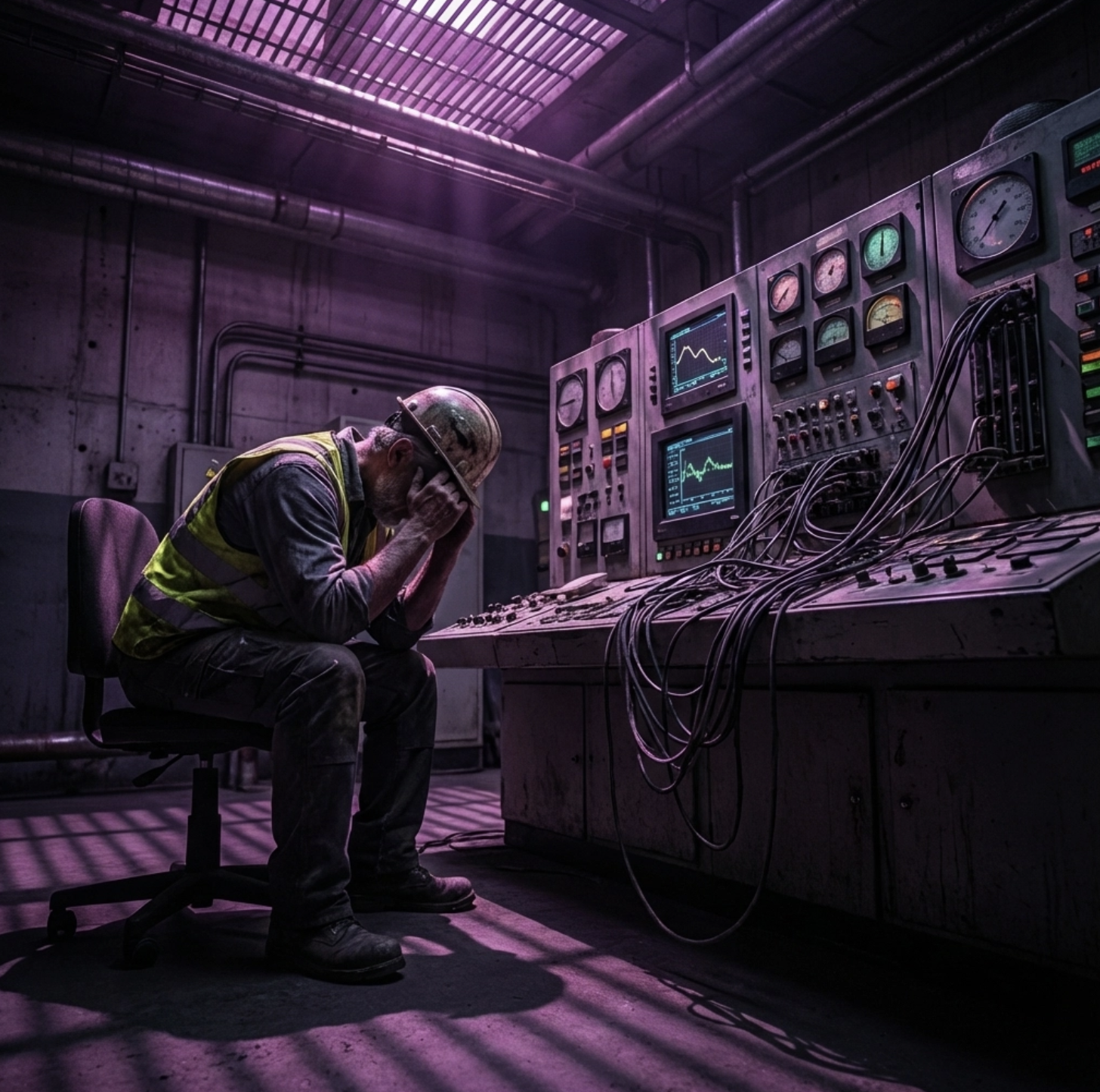
While companies globally pour $1.3 trillion into R&D each year, there's a glaring blind spot that's sabotaging returns across manufacturing, robotics, and industrial automation: the people who actually have to use these innovations.
Here's the uncomfortable truth: 83% of companies call innovation a top priority, but only 3% feel prepared to execute on those ambitions. The gap isn't just about technology: it's about the workforce that transforms brilliant R&D into operational reality.
The Hidden R&D Multiplier Nobody Talks About
Traditional R&D budgets focus on what we can build. Smart R&D budgets focus on what people can actually deploy, operate, and scale. The difference determines whether your innovation investment becomes a competitive advantage or expensive shelf-ware.
Consider the manufacturing sector's persistent skilled labor shortage. Companies invest millions developing smart factory systems, predictive maintenance platforms, and autonomous robotics. Then they wonder why adoption stalls, why operators resist new tools, and why production gains never materialize.
The missing piece isn't more sophisticated algorithms or better sensors: it's workforce readiness. When Caterpillar committed $100 million over five years specifically to workforce development and talent pipelines, they understood something most R&D leaders miss: technology only scales when people can confidently use it.
Research from IMD reveals the stark funding imbalance: "If even a fraction of the trillions flowing into AI development were redirected toward human capital development, the productivity gains would likely exceed current AI returns." Yet companies continue betting on technology over the humans required to implement it effectively.
Why "Bolt-On" Training Kills Innovation ROI
Most organizations approach workforce development like an afterthought: build the system first, then figure out how to train people on it. This backwards approach explains why so many industrial innovations fail to scale beyond pilot programs.
Here's what typically happens:
The Development Phase: Engineers and data scientists create sophisticated systems optimized for technical performance. User experience considerations are minimal or non-existent.
The Launch Phase: Systems are deployed with basic training materials: often just documentation and a few PowerPoint presentations.
The Reality Phase: Operators struggle with unintuitive interfaces, maintenance becomes complex, and productivity gains disappoint stakeholders.
This isn't a technology problem: it's a design problem. When workforce considerations are bolted on rather than built in, even the most advanced R&D investments become operational liabilities.
The alternative is participatory design from Day 1. Instead of asking "How can we train people to use this system?" the question becomes "How can we design this system around how people actually work?"
The New Workforce-Centered R&D Playbook
Forward-thinking companies are flipping the script. They're designing training ecosystems alongside their technical systems, creating solutions that amplify human capabilities rather than replacing them.
AR/VR Training That Actually Works
Traditional training assumes people learn best in classrooms or from manuals. Reality-based training recognizes that industrial workers learn best by doing: safely and repeatedly.
Effective AR/VR training systems don't just simulate procedures; they create muscle memory for complex operations. Workers can practice high-stakes scenarios without high-stakes consequences. More importantly, they can access contextual guidance when they need it most: in the field, in real-time.
The key is designing these training experiences around actual workflow patterns, not idealized procedures. When maintenance technicians can see step-by-step AR overlays on actual equipment, training becomes seamless workflow support.
Digital Twins for Workforce Development
Digital twins aren't just for monitoring equipment: they're powerful workforce development tools. The best implementations create virtual environments where teams can explore system relationships, test operational changes, and build confidence with new processes.
But here's the critical detail: effective digital twin training focuses on decision-making, not just procedures. Workers learn not just what to do, but when and why. This builds the judgment and adaptability that separates truly skilled operators from button-pushers following scripts.
Role-Based Dashboards That Inform and Empower
Data visualization isn't just about making information pretty: it's about making complex systems understandable to the people who run them. Role-based dashboards translate system complexity into actionable insights for different workforce levels.
Production operators need real-time status and clear escalation triggers. Maintenance teams need predictive indicators and diagnostic context. Plant managers need performance trends and resource allocation insights.
When dashboards are designed around how different roles actually make decisions, data becomes a workforce multiplier rather than another information burden.
Connecting Workforce Design to Manufacturing Scale
The companies winning with industrial innovation understand that workforce experience design isn't separate from technical design: it's integral to it. They're not just building better machines; they're building better human-machine partnerships.
This approach pays dividends when scaling from pilot to production. Systems designed with workforce realities in mind adapt more easily to different facilities, operator skill levels, and operational constraints. Training scales efficiently because it's built into system design rather than bolted onto it afterward.
Consider autonomous systems in manufacturing. The technical challenge of building reliable automation is significant but solvable. The real challenge is designing autonomy that operators trust, understand, and can effectively supervise. When autonomous systems fail: and they will: human operators need interfaces and information that support rapid diagnosis and intervention.
Companies that invest in human-centered autonomous system design don't just deploy robots; they deploy trusted, maintainable automation that amplifies rather than replaces human judgment.
The 2026 R&D Opportunity
The current moment presents a unique opportunity. R&D incentives are shifting toward production-ready innovation and domestic manufacturing capabilities. Tax policies reward systems that actually deploy and scale, not just laboratory demonstrations.
This creates a competitive opening for companies that design workforce readiness into their R&D from the beginning. While competitors struggle with adoption challenges, organizations with workforce-centered innovation strategies will capture market advantages.
The workforce development investment isn't just about training: it's about creating sustainable innovation capabilities. When your teams can effectively deploy, operate, and improve advanced systems, your R&D investments compound over time rather than depreciating.
Beyond Training: Building Innovation-Ready Teams
The most successful approaches go beyond skills training to capability building. They create organizational learning systems that adapt as technology evolves. This means designing not just for current workforce needs, but for workforce evolution.
Smart manufacturers are using AI to capture institutional knowledge from experienced workers before they retire. They're creating systems that help new hires learn faster while preserving decades of operational wisdom. They're building feedback loops that continuously improve both technical systems and workforce capabilities.
This isn't about replacing human expertise with artificial intelligence: it's about amplifying human expertise with better tools, better information, and better support systems.
The Real ROI of Workforce-Centered R&D
When companies design R&D investments around workforce realities, several things happen:
Pilot programs scale faster because adoption barriers are designed out from the beginning
Maintenance costs decrease because systems are built for the people who have to fix them
Innovation cycles accelerate because teams can effectively use and improve new capabilities
Competitive advantages sustain because they're based on organizational capabilities, not just technical features
The companies that understand this are quietly building sustainable advantages while their competitors chase the next technical breakthrough.
Moving Forward: Design for Deployment, Not Just Discovery
Innovation fails when people are left out. The most sophisticated R&D investments become competitive liabilities when workforce considerations are afterthoughts.
The opportunity in 2026 is clear: while others focus on building better technology, focus on building better technology partnerships between humans and machines. Design systems people can actually use, not just systems that technically work.
Humanity Innovation Labs™ design systems people can actually use. If your R&D roadmap needs a workforce reality check, let's build innovation that scales through people, not around them.