
Beyond Guesswork: How Deep User Research Drives Smarter Industrial Products
The manufacturing floor of a leading automotive parts supplier had just installed a new IoT monitoring system across their production line. Six months and $1.2 million later, the system was being actively bypassed by workers who had reverted to their manual tracking methods. The reason? The sleek touchscreen interfaces became unusable when operators wore required safety gloves, and the data dashboards, while comprehensive, failed to highlight the specific metrics floor managers actually used to make minute-by-minute decisions.

The Future Isn't Fully Automated—Why Human-Centered Design Still Wins in an AI-Powered World
The headlines are impossible to miss: AI is taking over everything from content creation to product design. Every day brings new announcements of systems that can generate images, write code, analyze data, and seemingly replace human creativity with algorithmic efficiency. The message often feels like a foregone conclusion—automation is inevitable, and human involvement is becoming obsolete.
But at Humanity Innovation Labs™, we're seeing something different.

Mind-Reading AIs & the Future of User Experience—What B2B Innovators Need to Know
Imagine drafting an email without touching a keyboard. Navigating complex software without clicking a mouse. Controlling machines with nothing but your thoughts. What sounds like science fiction is rapidly becoming reality as neural interface technologies evolve from experimental curiosities into practical business tools.
At Humanity Innovation Labs™, we've been tracking the acceleration of brain-computer interfaces (BCIs) and their potential to revolutionize how B2B organizations approach user experience. The implications for everything from product design to employee productivity are profound – and the time to prepare is now.

Beyond the Hype: Practical Ways Generative AI Is Accelerating Product Design
Generative AI is everywhere these days—in headlines, investment pitches, and product roadmaps. But for product designers and innovation teams, one question remains: beyond the marketing hype, what actual value does generative AI bring to the product design process?
At Humanity Innovation Labs™, we've moved past the theoretical discussions to implement practical AI solutions that deliver measurable results. This isn't about replacing designers or automating creativity—it's about strategic augmentation that amplifies human capabilities and transforms workflows.

The Power of Deep User Research in Breakthrough Tech
In today's rapidly evolving tech landscape, creating truly revolutionary products isn't about guesswork or following trends. It's about understanding the humans who will use your technology on a deep, fundamental level. At Humanity Innovation Labs™, we've seen firsthand how deep user research transforms good ideas into breakthrough innovations that genuinely connect with people.

Reinvention in Action: How AI is Transforming Innovation for B2B Enterprises
The business landscape looks radically different from just a few years ago. While consumer-facing AI applications have garnered headlines, the true revolution is happening behind the scenes in B2B enterprises. What began as experimental forays into machine learning has evolved into comprehensive AI strategies that are fundamentally reinventing how businesses innovate, operate, and deliver value.
Co-Creating the Future—No-Code MVPs in 90 Minutes
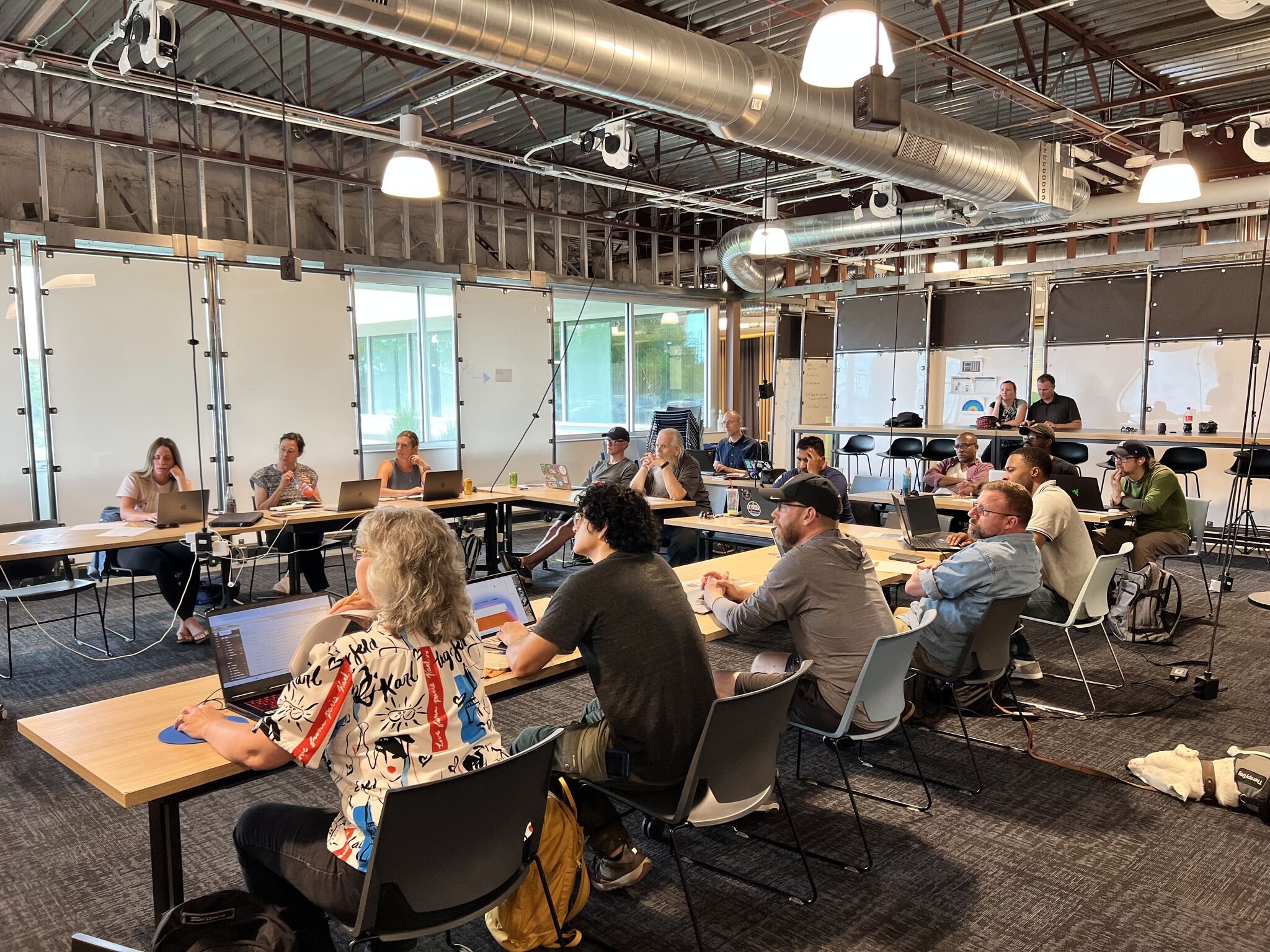
Discover how 25 entrepreneurs built MVP demos in just 90 minutes—no coding required—at our recent Vibe Coding Workshop hosted by Humanity Innovation Labs™, Bobcats Coding, Colorado Startups, and Exponential Impact. Using the Loveable platform, participants defined user personas, prioritized features with the MoSCoW method, wireframed core flows, and created clickable prototypes. Ideal for founders in healthcare, IoT, and tech, this hands-on session showcased how no-code tools accelerate product development, reduce costs, and validate ideas faster.

The Power of Innovation Workshops: Designing the Future of Autonomous Mobility
Discover how Humanity Innovation Labs™ Autonomous Vehicle Interface Workshop empowers teams to design user-centered interfaces for connected vehicles. Learn the value of innovation workshops in tackling trust, safety, and usability challenges through hands-on user research and UX/UI design. Hosted for Plug and Play in Silicon Valley, this workshop showcases HIL’s expertise in mobility innovation. Unlock your team’s potential—book a discovery call today!

Hybrid Qualitative and Statistical Research Methods for Agile Product Design
While working with a OEM client on an industrial sector research program, HIL (Humanity Innovation Labs) was introduced to NVivo. We utilized NVivo to analyze data, enabling the development of semiconductor MVPs for Industry 4.0. Our focus was on both legacy systems and digital transformation, and by leveraging NVivo to sift through both quantitative and qualitative data, we streamlined the creation of high-level product development strategies.

Zeros Plus Ones™
"Zeros Plus Ones™" is a mixed methods user research app designed to facilitate comprehensive data collection and analysis for user experience (UX) researchers. This app leverages both qualitative and quantitative research techniques to provide a holistic understanding of user behaviors, needs, and preferences.

A Three-Step Approach to Continuous User Research
In the ever-evolving realm of software development, the pursuit of excellence is an ongoing journey for Humanity Innovation Labs™. Fueled by a commitment to innovation, user satisfaction, and the relentless quest for improvement, our approach to user research is not just a checklist; it's a dynamic and iterative process woven into the fabric of our development ethos.

A Guide to Successfully Developing an MVP
Learn how to create a minimum viable product (MVP) for an industrial setting by defining clear objectives, prioritizing core functionality, and designing with the end-user in mind. Find out how to integrate hardware and software components seamlessly while ensuring scalability, security, and cost efficiency.

How to Modernize Legacy Systems: A Holistic Approach
Legacy systems present a unique challenge for organizations seeking to remain competitive in today’s fast-paced technological landscape. These outdated infrastructures are often critical to operations, yet they are difficult to maintain, vulnerable to security risks, and inefficient in integrating with modern solutions. Modernizing legacy systems can no longer be seen as a luxury but a necessity to improve scalability, performance, and user satisfaction.

How To Figure Out The Needs of Your Users
Understanding user needs through user research is essential for developing user-centered solutions that drive customer satisfaction and business success. This article explores various research methods, including surveys for quantitative data, one-on-one interviews for in-depth qualitative insights, observational research for real-world behavior analysis, usability testing to evaluate product effectiveness, and card sorting to understand users' mental models. By utilizing these techniques, businesses can gather diverse data to inform design decisions, create user personas that visualize and empathize with target audiences, and develop products and services that meet user needs and preferences.

Modernizing Manufacturing Processes
In an era defined by rapid technological advancements, manufacturing companies are facing the pressing need to modernize their systems and processes. To successfully navigate this transition, adopting a user-centric approach is crucial. This article explores how a manufacturing company can leverage various user research methods, including exploratory, generative, iterative, and evaluative, to effectively integrate new technologies over time.

AI Accelerating Digital Transformation with Mixed Methods Research
Achieving digital transformation hinges on grasping the roles of all stakeholders within an interconnected ecosystem. We prioritize understanding the relationships and purposes of individuals, systems, and technologies before jumping to solutions. This focus helps address challenges like labor-intensive processes in workplaces. By analyzing how intelligent systems integrate into the socio-technical landscape, we move beyond simplistic solutions, ensuring that technology complements existing workflows and boosts overall productivity.

The Value of Binary Code in Mixed Methods Research
Mixed methods research, the combination of qualitative and quantitative methodologies, has gained widespread recognition for its ability to provide a comprehensive understanding of complex phenomena. In the age of information technology, binary code, the fundamental language of computers, is emerging as a valuable tool to enrich and expand the scope of mixed methods research. This article explores the unique advantages that binary code brings to the table, highlighting its potential to enhance the depth and precision of research findings.

Reducing Customer Churn: The Critical Role of User Research
Customer churn, the rate at which customers discontinue their use of a company's products or services, is a key performance indicator that directly impacts profitability. Reducing churn is not only about reacting to customer loss but also about proactively preventing it by understanding and addressing the factors that drive customers away. User research plays a critical role in uncovering these reasons, enabling businesses to take action that improves customer retention.

Principles for Integrating People and Technology
Humanity Innovation Labs™ celebrates our 8th year in business marking another year of relentless pursuit in enhancing the human experience through groundbreaking advancements. As we reflect on our journey, we find it crucial to delve into the principles that guide us in the responsible and ethical use of technology to augment the human body.
How to Develop A Wearable From Scratch
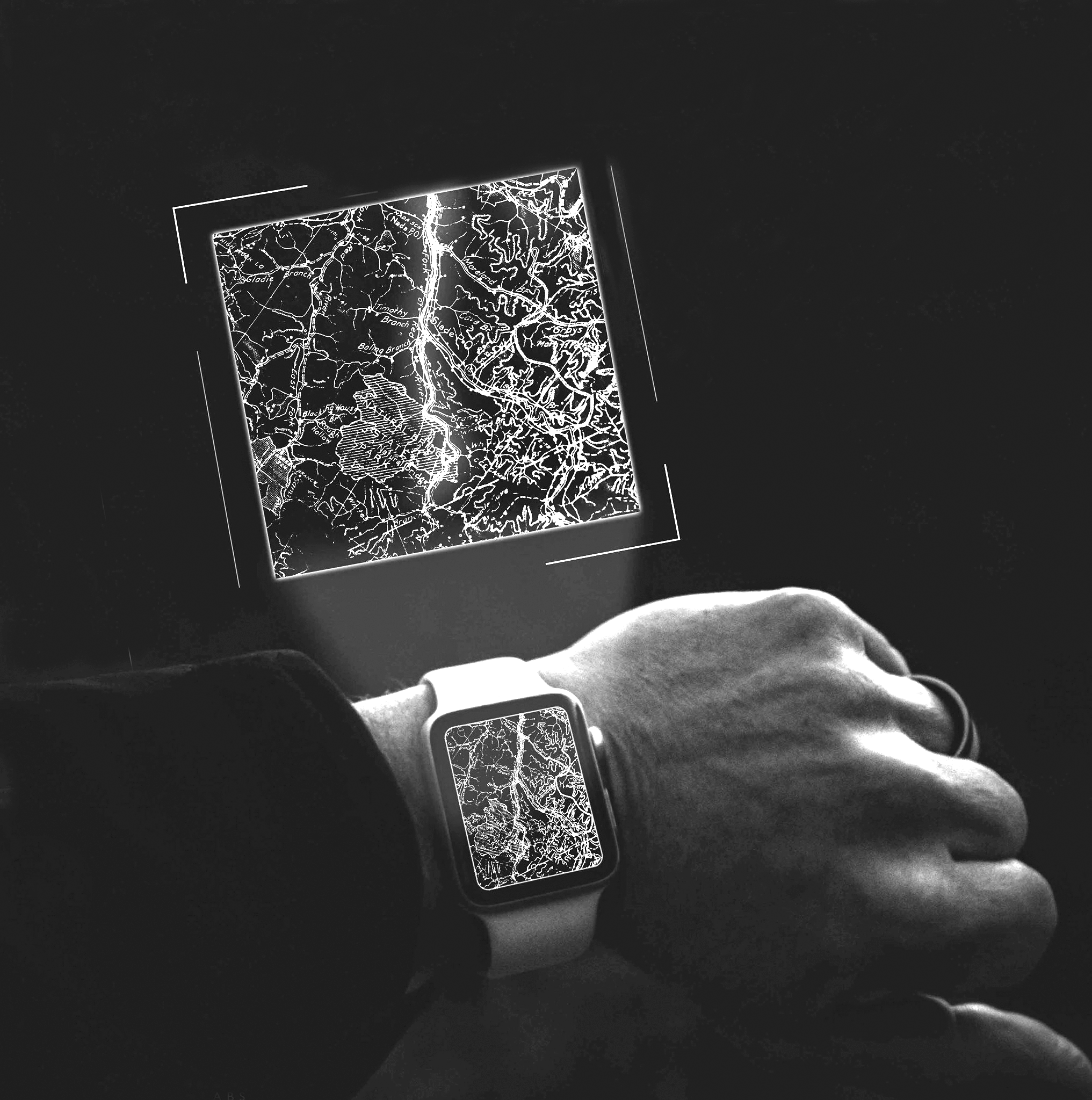
Embarking on the journey of developing a new wearable device is an exciting venture, but success hinges on a meticulously structured approach. To ensure your innovation aligns seamlessly with user needs, technical capabilities, and business objectives, consider this strategic guide. Here is how Humanity Innovation Lab’s™ would navigate the intricate process of developing product requirements for your groundbreaking wearable device.